
Brazil vs France SWOT Analysis: World Cup Heavyweights Compared at 2026
Comparison Insights
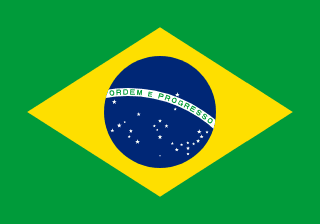
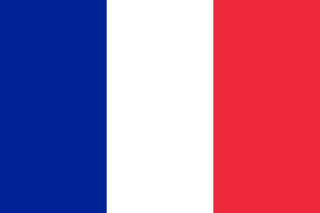
Brazil vs France is a heavyweight collision with deep history — France eliminated Brazil in the 1998 final (3-0) and again in the 2006 quarterfinal, and both rank among the perennial favorites every cycle. Brazil arrives mid-reinvention: five-time champions chasing a first title since 2002, now led for the first time by a foreign head coach in Carlo Ancelotti, appointed in 2025 to bring elite club-level structure to a squad of pace and flair (Vinicius Junior, Rodrygo, Raphinha). France arrives as the talent-depth standard, with Kylian Mbappe and Ousmane Dembele fronting the deepest pool in world football. The strategic contrast — the Samba-Pragmatism Axis — is between Brazil's attacking individualism now being fitted into Ancelotti's pragmatic framework, and France's long-established model of tournament pragmatism powered by individual stars. Brazil's upside is the highest attacking ceiling in the tournament; its risk is whether a new system gels in time. France's upside is proven knockout craft; its risk is the cohesion that has fractured French camps before.
BrazilSWOT Comparison
Brazil
- Record Pedigree: Brazil are the most successful World Cup nation with five titles (last in 2002) and the only side to qualify for every edition — an unmatched institutional foundation.
- Elite Manager: Carlo Ancelotti, a five-time Champions League winner and Brazil's first permanent foreign manager, brings world-class big-match and man-management credentials.
- Vinicius Junior: The Real Madrid winger (2024 Ballon d'Or runner-up) is a game-breaking dribbler who can win knockout matches on individual quality.
- Attacking Talent Pool: Raphinha (Barcelona) and the returning all-time top scorer Neymar (79 international goals) add depth and proven end product to the front line.
- Ranking and Market Standing: As the FIFA No. 6 side priced around +850, Brazil sit firmly in the title-chasing pack with the firepower to beat anyone.
France
- World No. 1 Ranking: France sits atop the April 2026 FIFA rankings and is a co-favorite around +500 — the most consistently elite tournament team of the past decade.
- Mbappe Firepower: Captain Kylian Mbappe enters his third World Cup as one of the planet's most decisive attackers, capable of winning knockout games single-handedly.
- Ballon d'Or Depth: With reigning Ballon d'Or winner Ousmane Dembele plus Michael Olise and Desire Doue, France's attacking talent pool is arguably the deepest in the field.
- Recent Finalists: France reached the 2022 final (losing to Argentina on penalties) and won in 2018 — back-to-back deep runs that prove a durable winning machine.
- Deschamps Tournament Craft: In his final tournament after 13 years, Deschamps brings unmatched experience in pragmatic, knockout-tournament game management.
Brazil
- Qualifying Inconsistency: Brazil qualified but finished behind Argentina, losing to their rivals home and away — a sign the gap to the very top still exists.
- Neymar Fitness: Recalled at 34 after roughly two-and-a-half years disrupted by an ACL injury, Neymar's match sharpness and durability are unproven over a long tournament.
- Injury Disruption: Rodrygo is out injured and other young options have faced fitness doubts, thinning the attacking rotation Ancelotti can trust.
- New System Bedding-In: Ancelotti took over only in May 2025, leaving limited time to fully install and rehearse his structure with the national-team group.
- Defensive Reliability: Periodic lapses in defensive organization have undermined recent Brazil sides in knockout football despite abundant attacking talent.
France
- End-of-Era Risk: Deschamps' announced departure after 2026 can cut both ways — a farewell motivation or a lame-duck distraction if results wobble.
- Squad Friction History: France has periodically battled internal tension and selection controversy; cohesion, not talent, has been its recurring vulnerability.
- Defensive Transition: Questions linger over the long-term spine as veteran defenders age, leaving the back line less settled than the glittering attack.
- Penalty Final Ghost: France lost the 2022 final on penalties despite Mbappe's hat-trick — a reminder that elite attack alone does not close out trophies.
- Mbappe Dependence: When Mbappe is contained or carrying knocks, France's attack can become predictable and over-reliant on individual brilliance.
Brazil
- Ancelotti Tournament Management: Ancelotti's knockout experience can finally translate Brazil's talent into the deep run that has eluded them since 2002.
- Group C Springboard: Drawn with Morocco, Scotland, and Haiti (opening June 13 at MetLife Stadium), Brazil can build rhythm and confidence early.
- Generational Reset: 2026 is the chance to crown a Vinicius-led core as the new face of Brazilian football for the next cycle.
- Format Cushion: With 32 of 48 teams advancing, Brazil can absorb an early slip and still reach the knockouts where their ceiling is highest.
- Neymar Farewell Lift: A fit Neymar adds a creative, emotional dimension that can elevate the squad if managed carefully.
France
- Farewell Narrative: Deschamps' final tournament offers a powerful unifying storyline to forge squad cohesion around a shared send-off mission.
- Group I Control: Drawn with Senegal, Iraq, and Norway, France can top the group and bank recovery time before the knockouts.
- Mbappe's Prime: A World Cup squarely in Mbappe's peak years is the ideal window to convert individual greatness into a second winner's medal.
- Attacking Embarrassment of Riches: Rotating Dembele, Olise, and Doue keeps the front line fresh across a 39-day tournament and stretches tiring defenses late.
- Format Margin for Error: The expanded knockout bracket lets a top seed absorb a slow start and still progress, reducing the cost of a group-stage stumble.
Brazil
- Peer and Rival Favorites: Spain, France, England, and especially Argentina can end Brazil's tournament in a single knockout tie.
- Over-Reliance on Vinicius: If Vinicius is contained or injured, Brazil's clearest match-winning route narrows considerably.
- Neymar Breakdown: A recurrence of injury to the recalled Neymar would disrupt the attack and the squad's emotional balance.
- Knockout Variance: Defensive lapses plus penalty-shootout risk make even a talented Brazil vulnerable to an upset.
- Heat and Travel Load: A 39-day North American summer raises fatigue risk for a squad still integrating a new system.
France
- Peer Favorites: Spain, England, Portugal, Brazil, and Argentina all have the quality to end France's run in a single knockout tie.
- Cohesion Breakdown: France's history shows that off-pitch friction can derail a favorite faster than any opponent.
- Knockout Variance: Pragmatic tournament football still hinges on fine margins — one set piece or VAR call can topple the No. 1 seed.
- Defensive Exposure: Elite, fast opponents can target the transition moments where France's evolving back line is least settled.
- Heat and Schedule: North American summer conditions test even deep squads, raising the injury and fatigue risk through a long campaign.
Explore Full Analysis
Frequently Asked Questions
What is the World Cup history between Brazil and France?
France beat Brazil 3-0 in the 1998 World Cup final and 1-0 in the 2006 quarterfinal (a Zinedine Zidane masterclass). The fixture is one of the modern game's defining heavyweight rivalries, with France holding the edge in their biggest meetings.
Who is better in 2026, Brazil or France?
France edges it on depth and recent pedigree as 2018 winners and 2022 finalists. Brazil counters with arguably the tournament's highest attacking ceiling and a new elite coach in Carlo Ancelotti. The gap is narrow and depends on how quickly Brazil's new system gels.
Who is Brazil's coach for the 2026 World Cup?
Carlo Ancelotti, appointed in 2025 as the first foreign full-time head coach of Brazil's men's national team. He was brought in to add club-level structure and tournament discipline to Brazil's abundant attacking talent.
What is the key strategic difference between Brazil and France?
Brazil brings flair and pace now being organized under Ancelotti's pragmatic framework. France brings an established model of tournament pragmatism powered by elite individuals and squad depth. Brazil's ceiling is higher; France's floor is more proven in knockout football.
What is each team's biggest weakness heading into 2026?
Brazil's main risk is whether a new coach and system gel in time, plus defensive consistency. France's main risks are squad cohesion, which has unsettled past French sides, and over-reliance on Kylian Mbappe when he is contained.