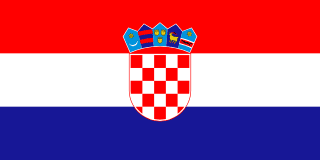
Croatia National Football Team SWOT Analysis
Perennial overachievers under Zlatko Dalic, captained by 40-year-old Luka Modric in surely his final World Cup, but facing England in a tough Group L with an ageing core.
- 1Top strength — Tournament DNA: Finalists in 2018 and third in 2022, Croatia consistently punch far above their size in World Cups.
- 2Top weakness — Ageing Core: Four players have 100+ caps (Modric, Ivan Perisic, Kovacic, Andrej Kramaric); the spine is experienced but…
- 3Biggest opportunity — Knockout Experience: Croatia's shootout pedigree makes them dangerous in any elimination tie.
Croatia National Football Team SWOT Snapshot
| Category | Top factors |
|---|---|
| Strengths |
|
| Weaknesses |
|
| Opportunities |
|
| Threats |
|
The SWOT
every quadrant, every point ↘Croatia National Football Team Strengths (2026)
5Croatia National Football Team Weaknesses (2026)
5Croatia National Football Team Opportunities (2026)
5Croatia National Football Team Threats (2026)
5TOWS Strategy Matrix
PREMIUMFrom insight to action — pairing the four quadrants into concrete strategies.
Want to customize this analysis?
Tailor this Croatia National Football Team SWOT to your specific context — your market, your goals, your strategy.
Beyond SWOT: other frameworks to try
SWOT is one of 100+ thinking frameworks on FrameworkList — covering strategy, prioritization, risk, business models, and decision-making.
Frequently Asked Questions
What are the Strengths of Croatia National Football Team in their SWOT analysis?
+
- Tournament DNA: Finalists in 2018 and third in 2022, Croatia consistently punch far above their size in World Cups.
- Modric's Mastery: At 40, captain Luka Modric remains a peerless tempo-setter in what is surely his final World Cup.
- Midfield Control: Mateo Kovacic (Manchester City) and Mario Pasalic give Croatia a midfield that can dominate possession.
- Gvardiol Anchor: Josko Gvardiol, back from a broken shin, is a Champions League-caliber defender to build around.
- Big-Match Temperament: Croatia thrive in the tight knockout games and penalty shootouts that decide tournaments.
What are the Weaknesses of Croatia National Football Team in their SWOT analysis?
+
- Ageing Core: Four players have 100+ caps (Modric, Ivan Perisic, Kovacic, Andrej Kramaric); the spine is experienced but physically vulnerable.
- Tough Opener: Group L opens against England on June 17 in Arlington, immediately threatening first place.
- Striker Shortage: Croatia have long lacked a prolific centre-forward to finish their midfield's chances.
- Post-Modric Question: The squad's identity is still built around a 40-year-old, with no obvious successor.
- Pace Deficit: An older midfield can be exposed by quicker, transition-heavy opponents.
What are the Opportunities of Croatia National Football Team in their SWOT analysis?
+
- Knockout Experience: Croatia's shootout pedigree makes them dangerous in any elimination tie.
- Format Cushion: With 32 of 48 advancing, even second or third in Group L reaches the knockouts.
- Modric Send-Off: A motivated farewell run can galvanize the squad and neutral support.
- Winnable Back Half: Beyond England, fixtures against Panama and Ghana are there to be won.
- Veteran Calm: Experience helps Croatia control the chaos of a 48-team tournament.
What are the Threats of Croatia National Football Team in their SWOT analysis?
+
- England Quality: A strong England can take first place and force a harder knockout path.
- Physical Decline: Heat and a congested schedule expose an older squad to fatigue and injury.
- Goal Drought: Without a reliable striker, Croatia can dominate yet fail to convert.
- Generational Cliff: Heavy reliance on Modric leaves little margin if he tires or is injured.
- Transition Speed: Quick, direct opponents can bypass a slower midfield.
More Examples
Unilever SWOT analysis 2026: volume-led H1 growth of 4.8%, Q2 volume +5.5%, ice cream demerged, Foods combining with McCormick in a $44.8B deal, and a pricing-led second half. Strengths, weaknesses, opportunities & threats.
Read analysis →Hilton SWOT analysis 2026: 28 brands, 1.38M rooms, a record 541,300-room pipeline, U.S. RevPAR +5.4%, Middle East −29.5%, and a 2026 guide raised twice. Strengths, weaknesses, opportunities & threats.
Read analysis →Domino's Pizza SWOT analysis 2026: $20.1B global retail sales, U.S. comps +0.9%, +0.1% and +0.3%, a 2026 outlook cut three times, a new CEO, and ~450 rival closures. Strengths, weaknesses, opportunities & threats.
Read analysis →Analyze any company in 30 seconds
Free to start · No credit card · Your SWOT in under a minute.
Analyze Free →